Points
Each event has a numeric value: goals 3, assists 2, plus/minus 1, shots on goal 0.4, blocked shots 0.5, power-play points 1 bonus, wins 4 for goalies. Totals decide the weekly match. Lower workload, more forgiving of bad weeks.
Hockey is the most position-specific of the four ESPN Fantasy sports. Two goalies can swing a week more than any skater. This hub walks through format choice, goalie management, line combinations, and how to read NHL travel and rest context before the weekly lock.

Hockey formats on ESPN typically come in two shapes. The choice between them changes how you draft and how often you need to set lineups.
Each event has a numeric value: goals 3, assists 2, plus/minus 1, shots on goal 0.4, blocked shots 0.5, power-play points 1 bonus, wins 4 for goalies. Totals decide the weekly match. Lower workload, more forgiving of bad weeks.
Weekly matchup across 8 to 10 categories (goals, assists, plus/minus, shots, blocks, PPP, goalie wins, save percentage, GAA, shutouts). Most competitive format — a team that wins 6 of 9 categories wins the matchup regardless of total points.
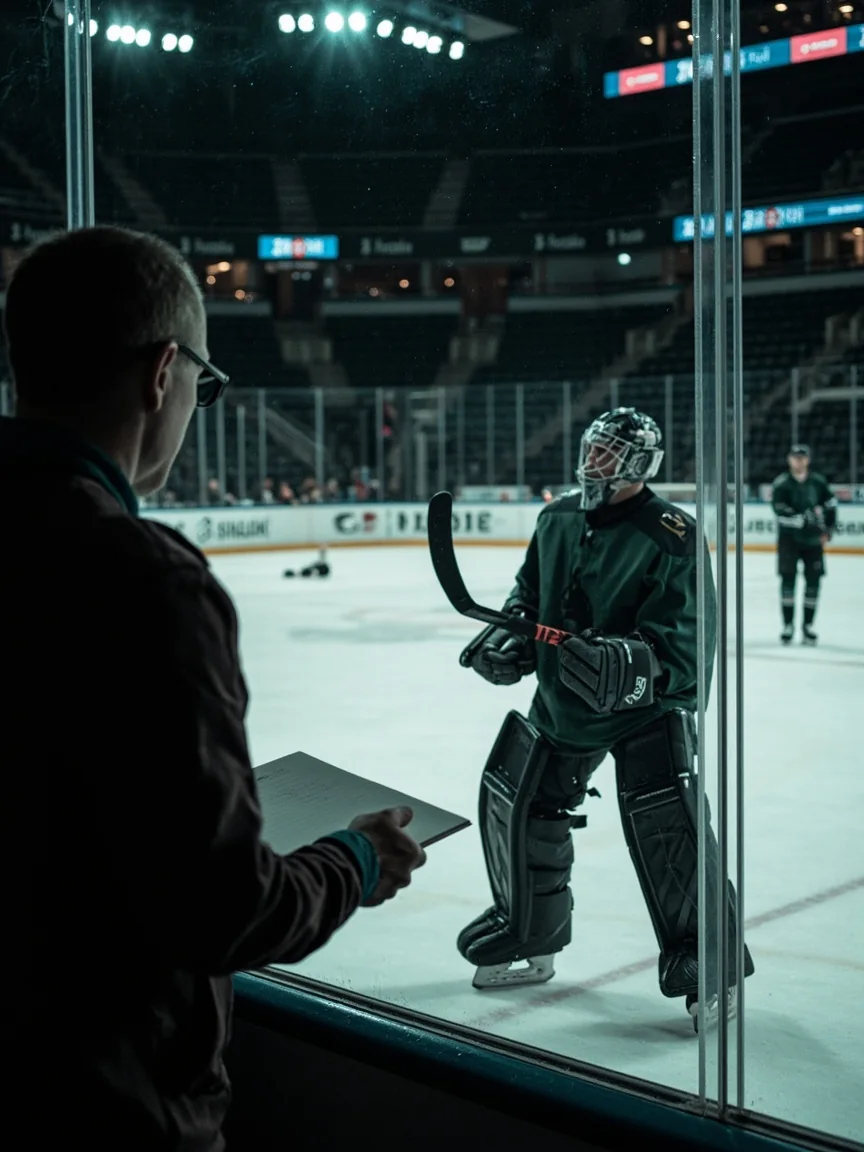
Goalies accumulate two of the highest-value categories: wins and save percentage. A starter on a hot team can produce 5 to 8 wins in a single month and lift your categories totals dramatically. The cost is that goalies also vary the most week-to-week — a hot streak can flip after one bad night.
Most leagues require 2 starting goalies per week, so you need at least 4 goalies on the roster to handle back-to-back sets without dropping into a matchup-disqualifying bye. Use a clear "who starts tonight" routine before the lock each day.
Categories vary in how easily a streamer can move them. Three categories are consistently hard to find on the wire; three are easy picks.
A waiver pickup rarely scores above 0.5 goals per game, so do not expect a streamer to swing the goal column. Focus on assists, shots, and blocked shots for streamers.
| Category | Wire supply | Strategy |
|---|---|---|
| Goals | Thin | Hold top scorers; do not stream |
| Assists | Medium | Stream top-six forwards |
| Power-play points | Thin | Hold top PP units |
| Shots on goal | Wide | Stream volume shooters |
| Blocked shots | Wide | Stream defensemen |
| Goalie wins | Medium | Stream backup vs weak opponent |
Skaters on the first or second line of their NHL team play with the team's best passers and shooters, which converts more shots into goals and assists. A waiver pickup who slots onto the third or fourth line will not produce at the same rate. Always check the team's most recent lineup before adding a free-agent forward.
Power-play units matter as much as even-strength lines for points formats. A first-unit power-play forward sees 60 to 90 seconds of extra time per game where every shot is a high-quality scoring chance. That single detail often separates a 60-point forward from a 75-point forward.
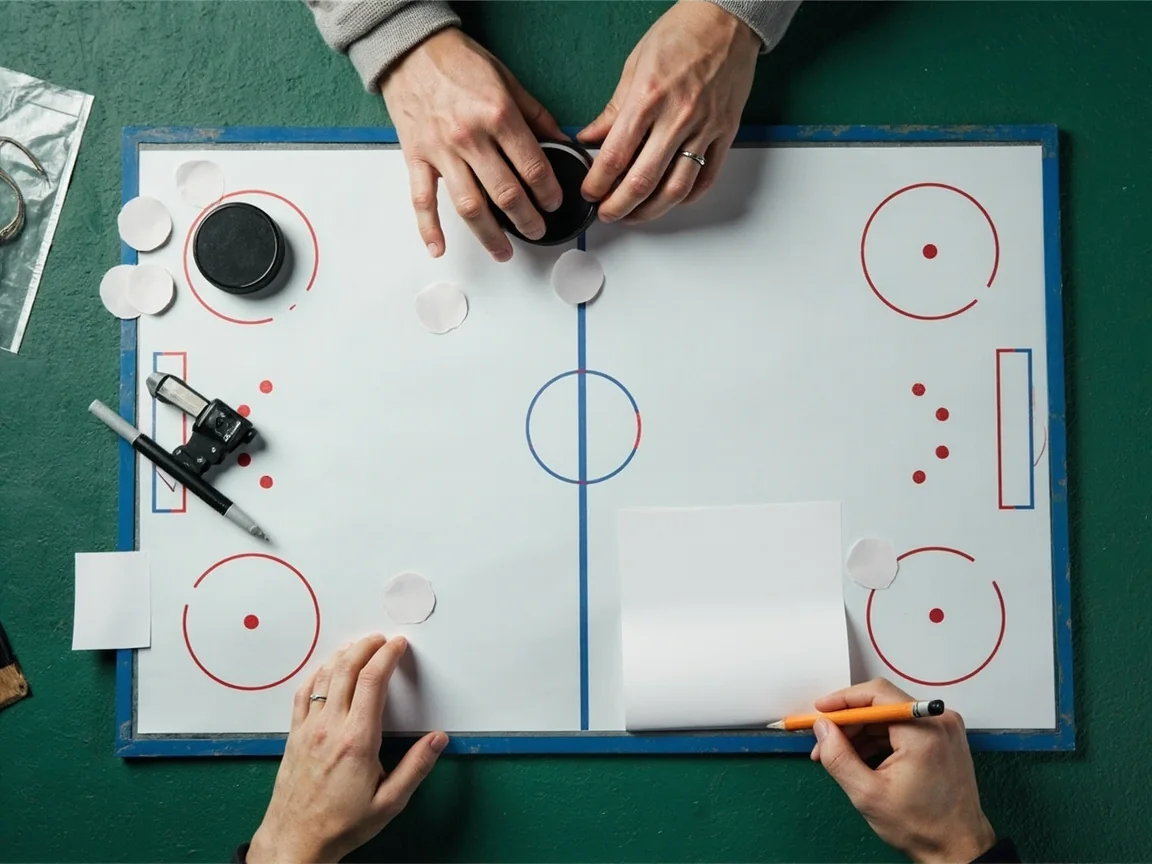
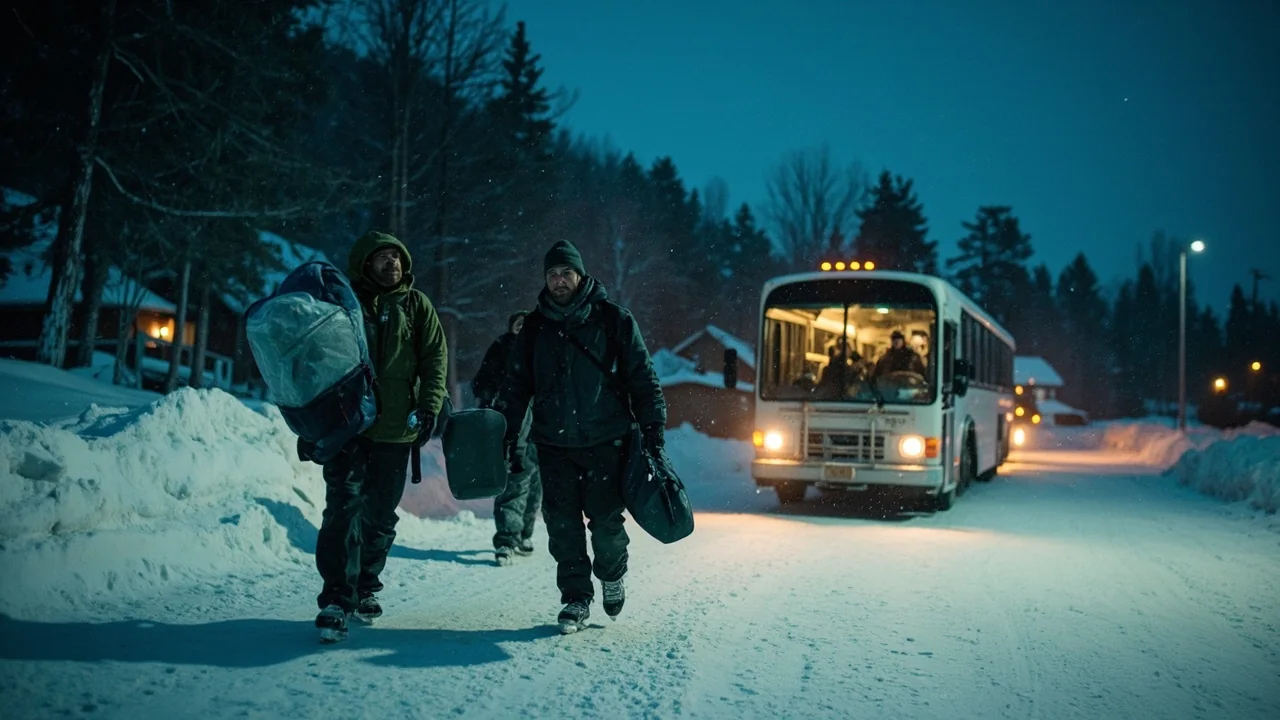
Hockey schedule density is more variable than the other three sports. A team in the middle of a 4-game road trip plays every other night, while a team with a home stand sits for 3 days between games. Back-to-back sets — two games in two nights — usually suppress production on the second night as tired legs show up on the shot and assist totals.
Before the weekly lock, check the NHL.com schedule for any roster player on a back-to-back or a 3-in-4 stretch. Demote them to the bench if you have a healthy alternative and you are in a tight categories matchup.
Quick factual answers to the questions that come up most often on hockey-focused ESPN leagues.
Points leagues assign a numeric value to each event (goals 3, assists 2, plus/minus 1, shots 0.4, power-play points bonus, save percentage bonus, wins 4). Categories leagues split the same stats into weekly winners and losers across the league.
Each NHL team starts one goalie per game, so a starting goalie plays 2 to 4 games per week depending on schedule. Back-to-back sets usually split starts between two goalies; track which one is starting Tuesday before locking your lineup.
A standard ESPN hockey roster is 2 centers, 2 left wings, 2 right wings, 4 defensemen, 2 goalies, plus 3 to 4 bench spots. Some leagues swap positions for utility spots.
ESPN hockey leagues run from early October to mid-April, which works out to about 22 to 25 matchup weeks depending on playoff length. The NHL regular season is roughly 82 games per team.
Teams with back-to-back games split starts between their top two goalies. The starter on the second night is usually the backup — start whoever is listed first on the team's NHL.com goalie depth chart for that game.
Goals and power-play points are the thinnest categories on most wire pick-ups. A waiver pickup rarely scores above 0.5 goals per game, so do not expect a streamer to swing the goal column — focus on assists, shots, and blocked shots for streamers.
Hockey is the sport where a single hot streak can tempt you into night-after-night scoreboard watching. Pick one morning and one evening check-in, ignore the rest, and your decision-making actually improves because you stop reacting to noise.
Use the official ESPN Fantasy sign-in to create or join a hockey league, then come back here for the season-long management plan.